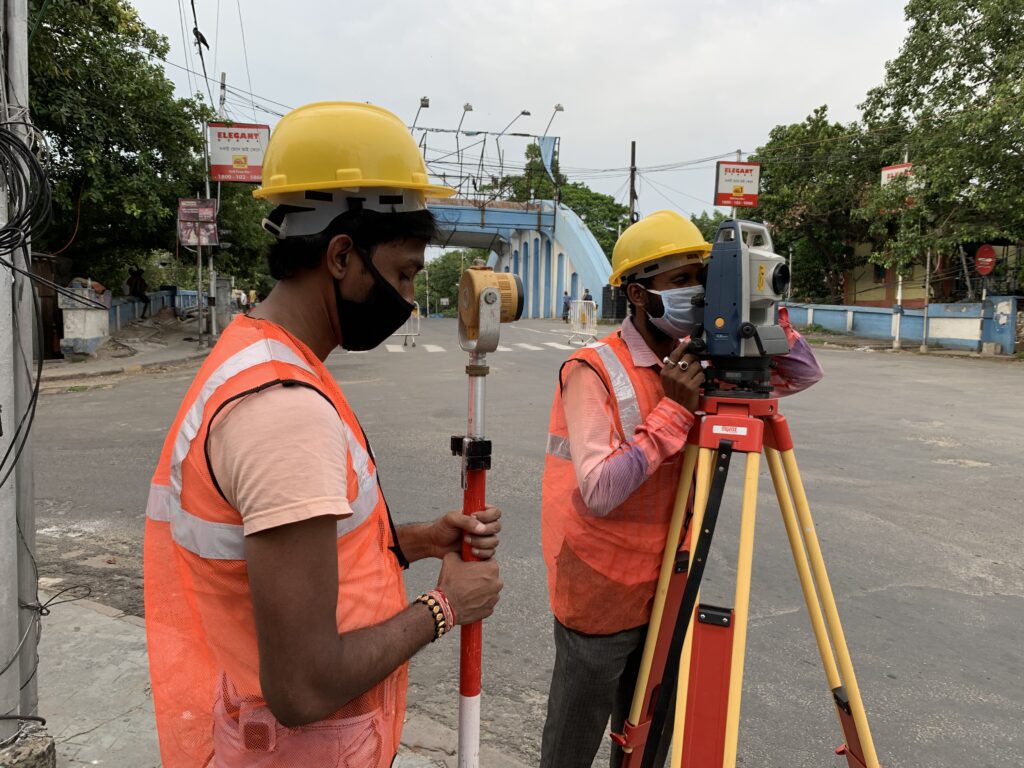
Before a hot-weather shift
Assess more than the forecast temperature: consider humidity, direct sun, workload, clothing, recent heat exposure, and access to water and cooling. Ask your supervisor who will monitor conditions, adjust the work, and coordinate help. Confusion, slurred speech, seizures, or unconsciousness require an immediate 911 call and rapid cooling. There is no single work-rest schedule suitable for every crew. (osha.gov)
This guide is for beginning field technicians, outdoor workers, and crew leaders in the United States. It provides general awareness and questions for a pre-shift discussion—not a substitute for employer training, a site-specific heat assessment, or emergency procedures.
Look beyond the temperature on your phone
Heat risk comes from both the surroundings and the heat your body generates while working. A forecast cannot tell you how demanding the task will be or how much heat your clothing will retain. OSHA identifies physical activity, environmental conditions, clothing, and individual factors as contributors to occupational heat exposure. (osha.gov)
Check these conditions together:
- Humidity: High humidity makes cooling through sweating more difficult.
- Sun and nearby heat sources: Direct sunlight and hot surfaces add heat exposure.
- Air movement: Sheltered work areas may have less cooling airflow.
- Changing conditions: The assessment needs to remain useful as the day develops. (osha.gov)
The heat index combines air temperature and humidity under shaded conditions. It does not account for workload, direct sun, or all other workplace heat sources. OSHA recommends an on-site wet bulb globe temperature, or WBGT, assessment, which accounts for temperature, humidity, radiant heat, and air movement. (osha.gov)
Ask: “Are we relying on a forecast, or has someone assessed conditions where we will actually work?” Treat the forecast as planning information, not proof that the assignment is safe.
Match the heat assessment to the task and clothing
Describe the actual work during the briefing. “Surveying” or “environmental sampling” is too broad: standing at an instrument is a different physical demand from carrying equipment or repeatedly digging. OSHA’s workload categories distinguish minimal movement from walking, carrying loads, and intense physical activity. (osha.gov)
Clothing and personal protective equipment also matter. NIOSH explains that some protective clothing traps heat and moisture, limits heat loss, and adds effort because of its weight. The type of equipment, time worn, work rate, acclimatization, and environmental conditions should inform the assessment. (cdc.gov)
Before departure, ask:
- Which parts of the assignment involve the greatest exertion?
- Can the heavier work move to a cooler part of the day?
- Can equipment or a different workflow reduce manual effort?
- Has the required protective clothing been included in the heat plan? (osha.gov)
Do not solve a heat problem by simply discarding required protection. Ask the supervisor about approved clothing options and safe places or procedures for removing equipment during recovery. Heat controls must account for the other hazards that made the protection necessary. (cdc.gov)
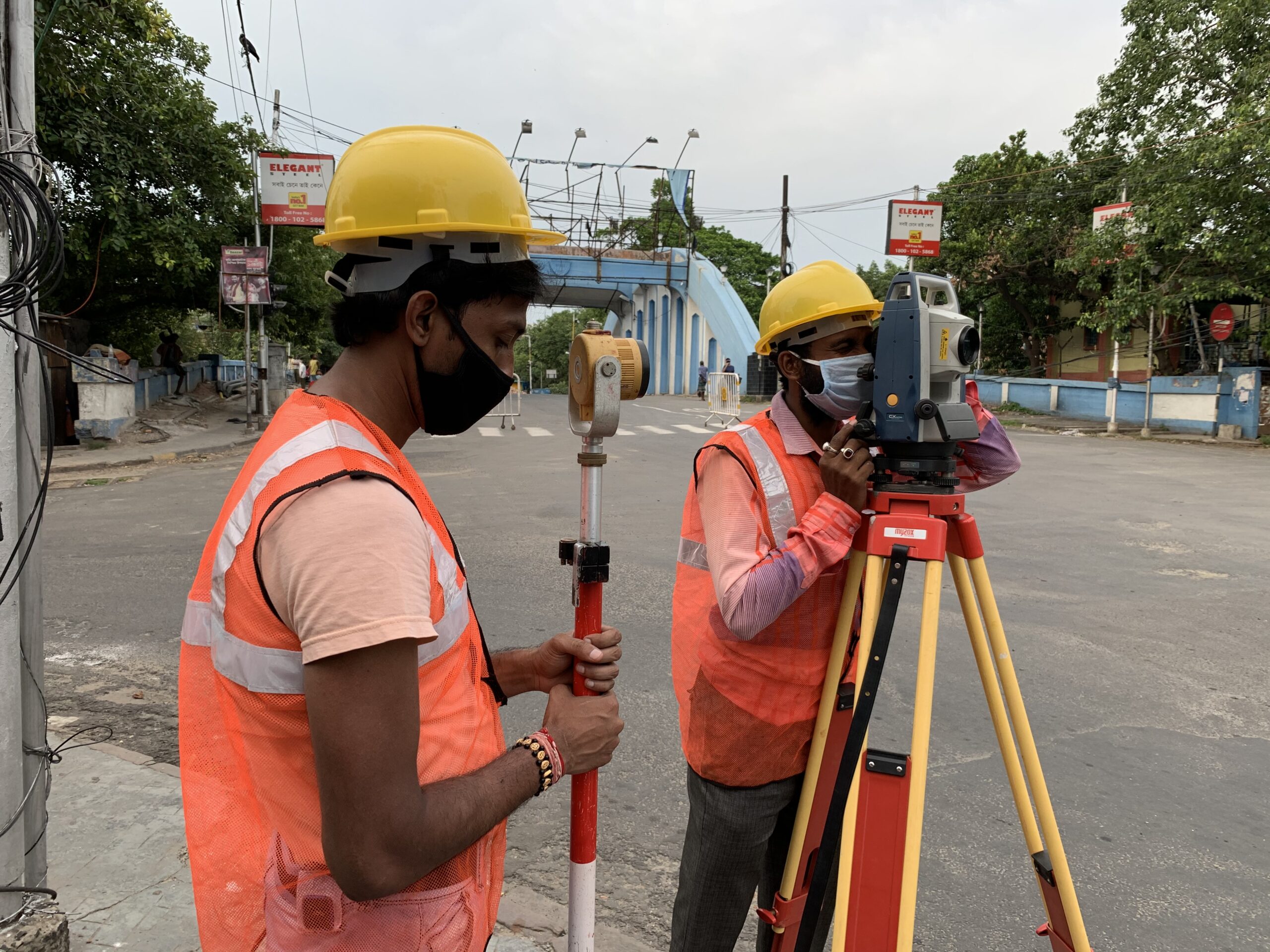

Check whether you are acclimatized to this work
Acclimatization means the body’s beneficial adaptations to repeated heat exposure. It is not a test of motivation, and a worker’s experience does not establish their current level of adaptation. NIOSH recommends gradually increasing exposure to hot conditions over approximately 7–14 days. (cdc.gov)
Tell your supervisor if you are new to hot outdoor work, returning after time away, or moving from cooler duties. NIOSH notes that a week or more away can significantly reduce heat adaptations. The appropriate plan depends on recent exposure and the conditions of the job. (cdc.gov)
NIOSH’s new-worker recommendation begins with no more than 20% of the usual duration of work in the heat on day one, followed by increases of no more than 20 percentage points per day. That is exposure guidance—not permission to work continuously without cooling breaks. (cdc.gov)
Ask what lighter duties, reduced exposure, and closer supervision are planned for your adjustment period. Taking a break in air conditioning does not undo acclimatization, so there is no reason to avoid a cool recovery area to “toughen up.” (cdc.gov)
Confirm water access and a real cooling location
Water needs to be close enough to use regularly. OSHA advises providing cool drinking water near the work, in a known, accessible location, and in sufficient quantity for the assignment. Waiting until you feel thirsty is not an adequate hydration plan. (osha.gov)
For moderate activity in the heat lasting less than two hours, NIOSH recommends about one cup—8 ounces—every 15–20 minutes. It recommends balanced-electrolyte drinks when sweating continues for several hours and says fluid intake generally should not exceed six cups per hour. These are general recommendations, not individualized instructions. (cdc.gov)
Also establish where workers will cool down. OSHA identifies shaded areas, air-conditioned vehicles, nearby buildings, and other cool locations as possible recovery arrangements. Break frequency and duration should reflect environmental heat, physical effort, personal factors, and how effectively the rest location provides cooling. (osha.gov)
Practical questions include:
- Who checks and replenishes the water?
- Does the supply move with the crew?
- Where is the recovery area for each part of the assignment?
- What changes when heat exposure or workload increases? (cdc.gov)
A lunch break is not a complete heat plan. Nor is carrying a bottle enough if the assignment provides no opportunity to refill it, drink regularly, or recover in a cooler location.
Use a pre-shift checklist with named responsibilities
OSHA recommends a written heat-illness prevention plan and an identified person responsible for monitoring conditions and implementing it during the workday. That person needs appropriate training, including recognizing symptoms and activating emergency assistance. (osha.gov)
Use this discussion checklist to make the plan concrete:
| Confirm before departure | Ask for a specific answer |
|---|---|
| Heat monitoring | Who assesses conditions, and when will they reassess? |
| Workload | Which tasks may need rescheduling or modification? |
| Adjustment to heat | Who needs reduced exposure or closer supervision? |
| Water | Where is it, and who replenishes it? |
| Recovery | Where will each crew member cool down? |
| Observation | How will workers check on one another? |
| Emergency response | Who calls for help, and how will responders locate the crew? |
The checklist translates OSHA planning guidance and NIOSH recommendations into briefing questions; it is not a complete employer procedure. NIOSH recommends a buddy system and training on reporting symptoms and contacting emergency medical services. (osha.gov)
For a mobile crew, ask whether those answers still work after leaving the vehicle or changing sites. Record unresolved questions and get them addressed rather than assuming someone else has arranged the controls.
Medical conditions, some medications, and previous heat illness can affect risk. If these may apply, seek guidance from a healthcare professional and use the employer’s appropriate process for discussing work restrictions or accommodations. Do not change prescribed medication on your own. (osha.gov)
Worked example: revise a field assignment, not just the packing list
Illustrative scenario—not a measured site assessment: A small mapping crew plans to carry equipment between points along an exposed route. One technician is new to hot-weather work. Drinking water and an air-conditioned recovery vehicle are available, but both will remain at the starting point.
Adding another bottle would address only part of the planning problem. A useful supervisor discussion would proceed like this:
- Identify the added demands. Include equipment carrying and required clothing in the assessment, rather than treating the job title as a workload description.
- Plan reduced exposure for the new technician. Apply an acclimatization plan rather than assigning the same exposure as an adjusted coworker.
- Make the controls accessible. Decide how drinking water and cooling access will remain available as the crew moves.
- Assign reassessment and communication. Name the person who monitors changing conditions and confirms how the crew will report symptoms or summon help. (cdc.gov)
Possible revisions include moving demanding tasks to a cooler period, reducing manual carrying, and changing the route or support arrangements. These are planning options, not a finding that the revised assignment is safe. The employer’s assessment must determine suitable controls and recovery arrangements. (osha.gov)
The practical lesson: check whether water, recovery, and supervision remain usable throughout the assignment—not only at departure.
Recognize symptoms and get help without delay
Headache, nausea, dizziness, weakness, irritability, and heavy sweating can indicate heat exhaustion. Report symptoms promptly, stop working, move to a cooler area, and have someone stay with the affected worker. NIOSH advises medical evaluation for heat exhaustion; workers should not attempt to diagnose the illness themselves. (cdc.gov)
Confusion, slurred speech, seizures, or unconsciousness are emergency warning signs.
- Call 911 immediately.
- Move the worker to a shaded or cool location if this can be done safely.
- Begin rapid cooling while help is coming, using available cold water, wet cloths, ice, or other methods consistent with emergency guidance.
- Stay with the worker. (osha.gov)
Do not wait for sweating to stop: heat stroke can involve profuse sweating or hot, dry skin. Do not wait to collect every symptom or obtain a temperature reading before seeking emergency help. (cdc.gov)
Common mistakes include pushing through symptoms, skipping recovery breaks to finish sooner, and sending an unwell worker away alone. OSHA warns that heat illness can worsen quickly and advises cooling the worker and calling 911 when in doubt. The pre-shift briefing should make that response clear before anyone needs it. (osha.gov)