Quick answer
Before your first field day, confirm what you will do, where to meet, who has arranged access, what conditions to expect, which PPE and equipment are required, and how the crew will communicate. Ask which tasks you may perform and which require training or direct supervision. Pack personal supplies separately from assigned work gear, and resolve missing safety arrangements before departure.
This guide is for beginners joining a supervised U.S. surveying, mapping or environmental field assignment. Use it to prepare questions—not as permission to perform a task or as a replacement for your employer’s procedures.
1. Confirm your assignment and the limits of your role
Start with: “What exactly will I be doing, and who will show me how?”
Ask your supervisor to distinguish between observing, assisting and performing a task yourself. Request the relevant work instructions and any job hazard analysis, or JHA. OSHA describes a JHA as a way to examine the relationship between the worker, task, tools and environment; it can also help train new employees in safe job steps. (osha.gov)
Useful questions include:
- What is the purpose of the visit?
- What will I carry, operate, record or collect?
- Who is my field lead?
- Which tasks may I perform independently?
- What instruction or demonstration must happen first?
- What notes, photographs or other records should I bring back?
Describe your experience accurately. For example: “I have used a handheld GPS recreationally, but I have not used this project’s equipment or recording procedure.”
Practical check: Explain your assignment back in your own words. Include your limits: “I will help carry equipment and record observations after the demonstration; I will not change instrument settings without approval.”
2. Verify the meeting point, transport and site access
Ask for the actual meeting location, not just the project address. Confirm the entrance, parking area, departure arrangements and person to contact if you cannot find the crew.
Then ask who has arranged access and whether any conditions apply. As an agency example, USGS has published procedures for obtaining permission to enter private land and certain restricted properties. Those procedures apply to USGS activities; they are not a universal statement of every field worker’s access rights. (usgs.gov)
Use these questions to clarify your own assignment:
- Are we meeting at the office, a vehicle or the site?
- Who is driving, and am I expected to drive?
- Which entrance and route should we use?
- Are keys, gate codes, identification or an escort needed?
- Who holds the access permission?
- Are any areas or activities excluded?
- Should the crew notify a landowner or site representative on arrival?
- Where are toilets and permitted meal areas?
Common mistake: Treating a map location as authorization to enter. If access is unclear or the planned entrance is unavailable, contact the field lead rather than improvising another route.
3. Ask how weather will change the plan
Check the forecast, but also ask what the crew will do if conditions change.
For lightning, CDC advises workers to know the daily forecast and the employer’s warning program, including access to a safe location. If you hear thunder—even a distant rumble—go to a safe place immediately. Identify that location before starting work. (cdc.gov)
For hot conditions, ask about drinking water, cooling areas, breaks and your introduction to working in the heat. OSHA recommends additional protection for new workers, including gradually increasing heat exposure, closer monitoring and more frequent rest breaks. Being fit does not remove the need for these precautions. (osha.gov)
Ask:
- Who monitors conditions and decides whether work changes?
- Where will we shelter or cool down?
- How will we get there from the work area?
- Where is drinking water, and how is it replenished?
- What clothing should I bring for the expected conditions?
- What conditions would cancel or shorten the visit?
Common mistake: Packing water and assuming the heat plan is complete. OSHA’s guidance also addresses rest and a cool recovery location; a bottle alone does not answer those questions. (osha.gov)
4. Get the exact PPE requirements before buying anything
Ask for a specific list of personal protective equipment, or PPE, and when each item must be worn.
“Bring boots and gloves” leaves important questions unanswered. Ask your supervisor to specify the required footwear and gloves, along with any eye, head, hearing or visibility protection. OSHA emphasizes proper fit and training in when PPE is needed, how to use it, its limitations and its care. (osha.gov)
Confirm:
- Which items are issued, and where do I collect them?
- What must I bring myself?
- What specifications must personal items meet?
- When will we check fit and condition?
- Who replaces unsuitable or damaged equipment?
Under OSHA standards, employers generally must pay for PPE used to comply with those standards, with exceptions. Confirm the purchasing arrangement before spending money; do not assume every item of outdoor clothing is employer-paid PPE. (osha.gov)
Important training flag: If required respiratory protection is mentioned, ask about the employer’s respiratory protection program. OSHA’s standard requires medical evaluation before required use or fit testing, and fit testing before initial use of tight-fitting respirators. Do not treat buying a mask as completion of that process. (osha.gov)
5. Establish who provides and checks the work equipment
Make a responsibility list with three labels: provided, assigned to me, and not yet confirmed.
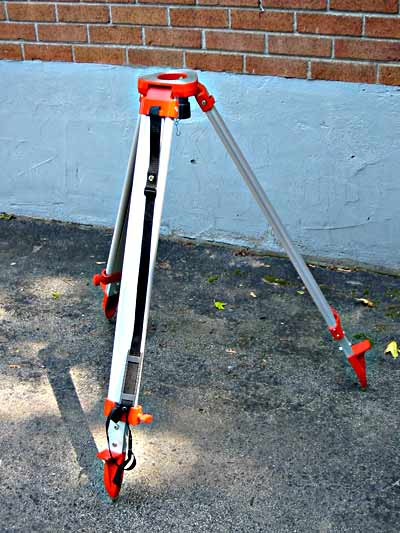
Possible entries include instruments, tripods, batteries, radios, field forms, sample containers or a work tablet. These are examples to discuss—not a requirement to bring all of them.
Ask:
- Who loads each item?
- Who performs the required equipment checks?
- Which batteries and chargers are needed?
- Who confirms instrument settings or calibration?
- Are project files, maps and forms already available?
- What do I do if something fails?
- Who handles cleaning, storage and return?
Request a demonstration before operating unfamiliar equipment. USGS’s field preparation guidance recommends making a list of required tools, instruments and supplies and checking their operating condition before the trip. (pubs.usgs.gov)
For records, ask which device and format to use. Confirm the site identifiers, photo naming convention and handoff location rather than creating your own system.
Practical check: Review the equipment list with the person responsible for loading. If an item is missing or defective, report it before departure rather than quietly substituting personal equipment.

6. Understand communication, emergency arrangements and site procedures
Ask: “How do we request help, and who notices if we do not check in?”
USGS’s field operations handbook provides an agency example of a check-out/check-in system: record the itinerary, destination, expected return and contact methods; verify communications; and establish a response to missed check-ins. Your employer should specify the arrangements for your assignment. (d9-wret.s3.us-west-2.amazonaws.com)
Confirm:
- The primary communication method and backup.
- Who receives check-ins and when.
- What happens if a check-in is missed.
- How to describe the crew’s location to responders.
- Who is trained to provide first aid.
- Where emergency supplies are carried.
- How to report an injury, near miss or unexpected hazard.
Also ask which briefing and task-specific procedures apply. Flag any proposed work involving traffic, water entry, machinery, chemicals, excavations, confined spaces or heights for explicit discussion of training, authorization and supervision.
If the assignment changes, request a fresh review rather than assuming the original briefing covers it. OSHA’s JHA worksheet recommends reviewing the analysis when the job changes and discussing controls with workers. (osha.gov)
Common mistake: Saying “my phone is charged” without confirming whether the communication method works at the site.
7. Pack personal supplies separately from required work gear
Use the following as an illustrative day-trip packing list, then revise it with your supervisor. It is not an agency checklist or a complete kit for remote, overnight or hazardous work.
| Personal supplies to discuss and pack | Employer-required or shared gear to confirm |
|---|---|
| Lunch and snacks suitable for the day | Drinking-water supply and replenishment arrangements |
| Refillable bottle | Approved PPE in the correct fit |
| Weather-appropriate layers and rainwear | Assigned instruments, tools and accessories |
| Spare socks or clothing if appropriate | Charged communication equipment and backup |
| Sun protection appropriate to the assignment | Required first-aid and emergency supplies |
| Needed personal medication, stored as directed | Project forms, maps, labels and field instructions |
| Charged personal phone, if permitted | Approved recording device and charging supplies |
| Small notebook and writing tools, if permitted | Task-specific supplies identified by the field lead |
Your bottle supplements—not replaces—the crew’s water arrangements. OSHA recommends that employers provide cool drinking water and that workers drink regularly while working in the heat. (osha.gov)
Ask what stays in the vehicle and what must accompany you away from it. Keep personal items separate from samples and any equipment subject to project-specific handling rules.
Practical check: Review the packed bag against the assignment, not against a generic shopping list. Leave unfamiliar specialist equipment off the list until its need and use are confirmed.
8. Work through an example and send a final confirmation
Illustrative scenario: You are joining a supervised visit to record observations at a monitoring site. You will walk to the location, help carry equipment and complete field records. You have not used the project’s instruments.
Turn the supervisor’s answers into a short plan:
| Question | What your confirmed plan should contain |
|---|---|
| What is my role? | Assigned assistance and recording tasks, plus tasks reserved for trained staff |
| Where do I meet? | The confirmed meeting point and transport arrangement |
| Can we enter? | The approved entrance and person responsible for access |
| What should I wear? | Specified footwear, clothing and issued PPE |
| What do I carry? | Personal supplies and assigned equipment |
| How do we communicate? | Tested contact method, backup and check-in arrangement |
| What changes the plan? | Weather response and the person making the decision |
| What happens afterward? | Record handoff, equipment return and safe-return confirmation |
This example deliberately supplies no universal water quantity, footwear specification or permission to enter water. Those answers depend on the actual assignment.
Before leaving, send a message such as:
“Please confirm that I understand the plan: I will meet at the agreed location, travel with the crew and perform the listed assistance tasks after instruction. I will bring my personal supplies and collect the issued PPE. Could you confirm the access arrangement, communication plan and anything still missing?”
Finally, check that you have a named lead, clear task limits, confirmed access, required gear and a understood plan for weather and help. If a safety-critical answer remains unresolved, raise it before departure. Do not make your first field day depend on a guess.