Quick answer
Before leaving dependable phone coverage, agree on the work area and route, approved communication methods, a primary contact and backup, check-in expectations, and the employer’s response to missed contact. Include how to report changed plans and confirm everyone’s return. Use a written, supervisor-approved plan—not an assumption that someone will notice you are overdue. Official lone-worker guidance supports these arrangements. (ccohs.ca)
This guide is for beginning field technicians and crew leaders preparing for outdoor surveying, mapping or environmental work. It provides planning questions, not an emergency-response procedure. Canadian and British guidance cited here offers useful planning principles; it is not presented as U.S. law. Your employer must determine the requirements and procedures that apply to your work.
1. Describe where communication is uncertain
Start with the work, not the equipment. Give your supervisor a route and work-area description that includes travel, parking, walking access and any planned separation between workers. Ask whether communications will remain available away from the vehicle. CCOHS specifically identifies that last question as part of assessing lone work. (ccohs.ca)
Use three labels on your planning map or itinerary:
- Confirmed: communication checked at a particular location using the assigned equipment.
- Uncertain: expected service that has not been verified.
- Known gap: a location where previous attempts failed.
These are suggested planning labels, not coverage guarantees. Record what was checked and leave unknown areas marked unknown.
Do not treat a crew assignment as proof that every worker can get help. CCOHS includes people who spend periods out of direct contact with coworkers in its discussion of working alone. If technicians will separate, ask whether the employer’s lone-worker arrangements apply. (ccohs.ca)
Also ask what work is permitted under those conditions. HSE recommends setting limits on lone work and providing training appropriate to the risks. A communication device does not replace those limits. (hse.gov.uk)
2. Check the approved devices and their limitations
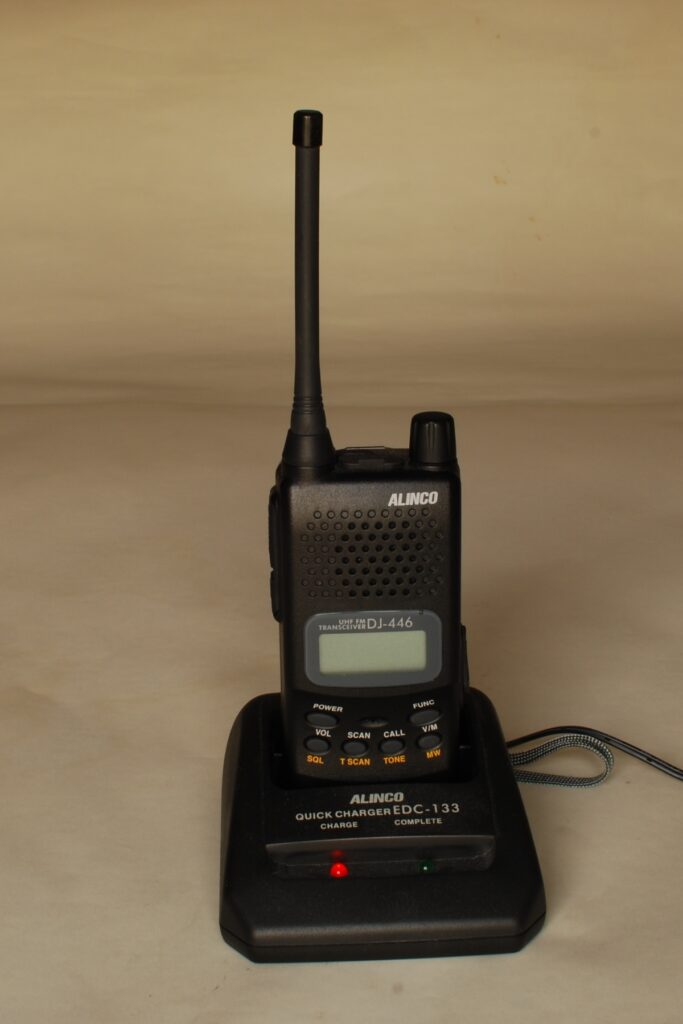
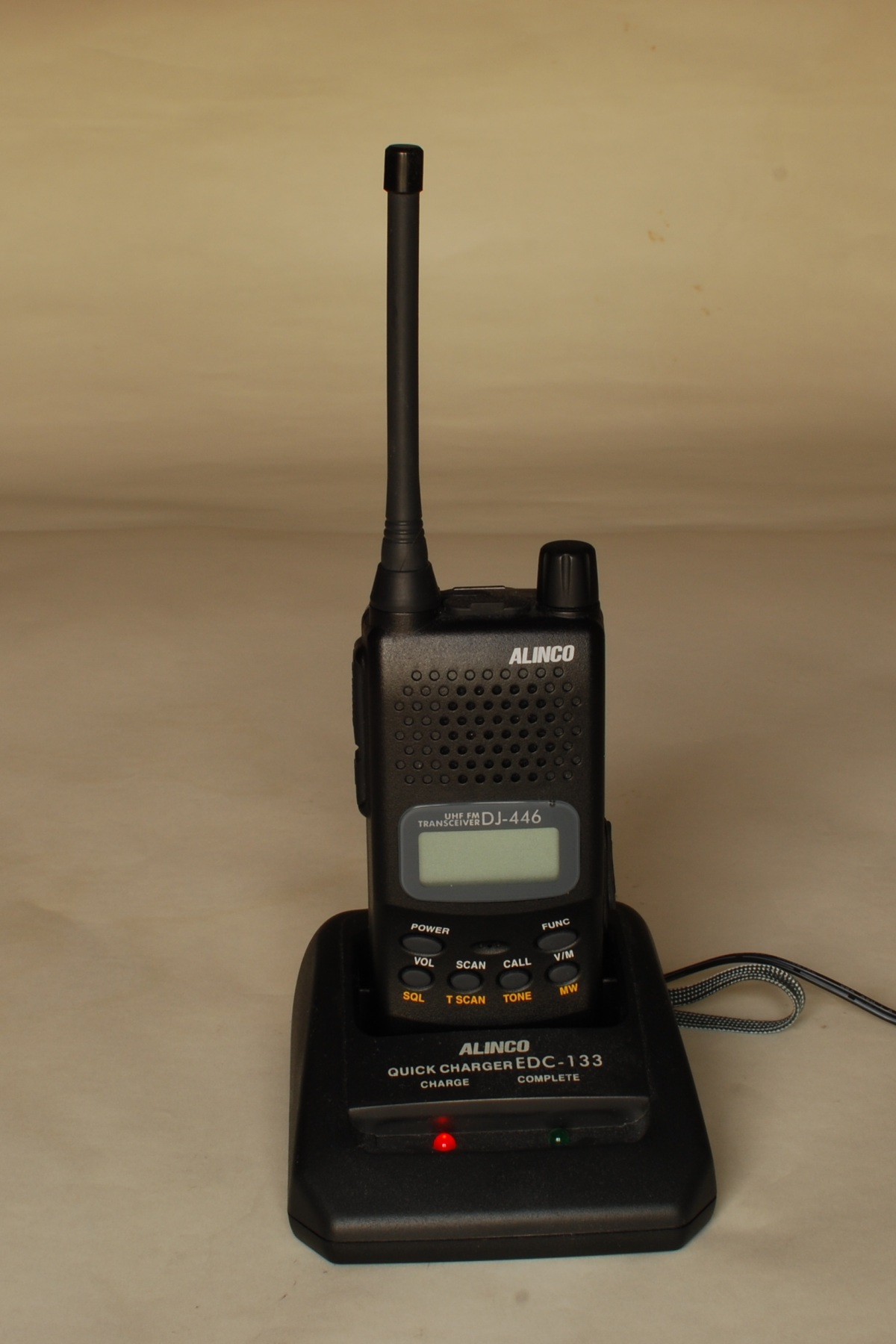
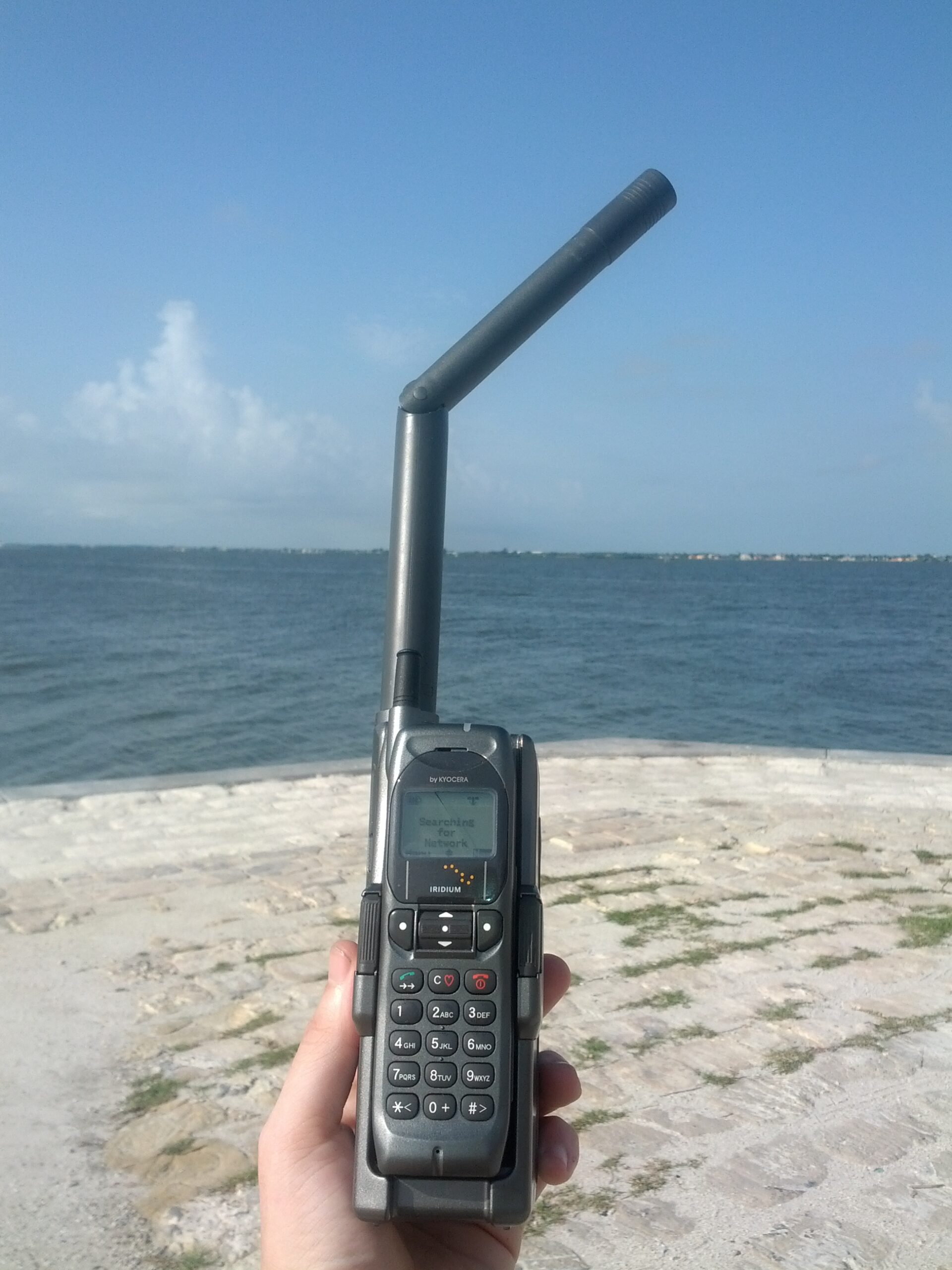
Ask which equipment is approved for this assignment and which person or service each device connects you to. The U.S. Forest Service’s Pacific Northwest forest-inventory program describes using satellite phones, satellite notification devices and district radios for different field communication needs. That is an example of matching tools to a workflow—not a universal equipment list. (research.fs.usda.gov)
For each assigned device, confirm:
- Who carries it, including when workers leave the vehicle.
- Which contact, channel or messaging destination to use.
- How to send and receive routine messages.
- What power or charging arrangements the employer requires.
- What happens if that device becomes unavailable.
For satellite equipment, check the exact model’s instructions. Garmin says inReach communication needs a clear view of satellites; a canyon with restricted sky visibility can produce extremely poor reception. Satellite communication should therefore not be treated as guaranteed simply because cellular service is absent. (support.garmin.com)
Garmin also recommends verifying subscription status and testing service before use. Some model-specific tests require disabling the paired phone’s connection so the test actually checks satellite service. Follow the current instructions for the assigned device rather than copying steps from another model. (support.garmin.com)
Finally, distinguish a service test from a crew communication test. A manufacturer’s confirmation checks its service; separately ask your designated contact to confirm receipt of an ordinary test message. Do not activate SOS as a routine test: Garmin’s Messenger manual reserves that function for a real emergency. (www8.garmin.com)

3. Name the people responsible for monitoring
“Tell the office” is too vague. Identify one primary contact and a backup, and confirm when each is available. CCOHS recommends both roles and says the contact person must know when and how to activate the emergency plan. (ccohs.ca)
Turn that recommendation into specific questions:
- Has the primary contact accepted today’s monitoring assignment?
- Who takes over during breaks, meetings or the end of a shift?
- Where can the backup find the current plan and contact log?
- Who has authority to approve a revised itinerary?
- Who follows the employer’s missed-contact procedure?
Keep monitoring responsibility separate from approval authority. A person receiving messages may not be authorized to approve additional work or a different route.
If several people receive check-ins, assign responsibility rather than assuming every recipient is watching. In the Forest Service example, supervisors are on call to account for field staff and initiate further response under the program’s emergency action plan when needed. (research.fs.usda.gov)
4. Define what counts as a completed check-in
A useful plan specifies both scheduled contact and any event-based messages, such as arrival, an approved location change or completion. The employer should select the schedule through its risk assessment. HSE recommends pre-agreed contact intervals and supervision proportionate to risk; it does not prescribe one interval for all fieldwork. (hse.gov.uk)
For supervisor review, propose a short message format:
Crew identifier — current location — status of everyone covered by the message — next planned activity — next contact due
Define what “OK” means. Does it cover everyone in the crew, or only the sender? Ask the supervisor to specify that meaning before using a preset message.
Also establish whether acknowledgment is required. Do not assume an outgoing message means the monitoring person has read it. Garmin’s inReach Messenger manual describes periodic incoming-message checks and a manual message-check function; receiving a reply is not necessarily continuous. Exact behavior depends on the equipment and settings. (www8.garmin.com)
Include the final return confirmation. HSE recommends a reliable system for confirming that a lone worker has returned after completing the task. Finishing measurements is not necessarily the same as completing the journey covered by the plan. (hse.gov.uk)

5. Agree on how changed plans will be handled
Ask your supervisor to define which changes require a message, approval or both. Suggested items to discuss include:
- A different access route or parking location.
- Work outside the approved area.
- Separation of crew members.
- A later expected return.
- Loss of an assigned communication device.
- An unavailable monitoring contact.
These are planning prompts, not permission to make those changes.
CCOHS recommends a daily off-site work plan, available emergency contacts and a way for workers to raise concerns. Use that structure to keep the monitoring person informed rather than leaving them with an obsolete itinerary. (ccohs.ca)
For updates, propose recording the original arrangement, requested change and acknowledgment. The supervisor should decide when a revision becomes effective.
Most importantly, agree beforehand on what workers must do if communication fails. HSE emphasizes training, defined work limits and knowing when to seek advice. Do not invent a new route, task or signal-seeking journey in the field to compensate for a missing procedure. (hse.gov.uk)
6. Reference the employer’s missed-contact procedure
The communication plan should identify the approved escalation procedure and where it is available. It should not leave the monitoring person to create one after a check-in is missed.
Ask the employer to confirm:
- What makes a check-in overdue.
- Who begins the response.
- Which approved contact attempts are required.
- Who takes over if the primary monitor is unavailable.
- What information must be supplied to responders.
- How an overdue event is formally closed.
The Forest Service example separates routine check-ins from response: its supervisor attempts contact through available means, then initiates further action under the emergency action plan if the crew cannot be reached. That sequence belongs to that program; do not adopt its timing or steps without employer approval. (research.fs.usda.gov)
Keep routine lateness, communication failure and a known emergency distinct in training. Workers should understand their employer’s emergency procedure and the assigned device’s emergency function before departure. HSE recommends regularly testing communication systems and emergency procedures. (hse.gov.uk)
7. Use a supervisor-review template and work through a change
The following is a fictional planning worksheet, not a completed safety plan. Its structure draws on official guidance about daily work plans, monitoring and field check-in records. Fill the blanks with your supervisor; unresolved safety-critical entries need resolution before departure. (ccohs.ca)
| Plan item | Entry for supervisor review |
|---|---|
| Assignment and date | [Task, date and plan version] |
| Workers covered | [Names; any approved separation arrangements] |
| Work area and access | [Map reference, route, parking and access details] |
| Expected coverage | [Confirmed locations, uncertainties and known gaps] |
| Approved communications | [Devices, carriers, destinations and assigned users] |
| Monitoring contacts | [Primary, backup and availability] |
| Check-in requirements | [Approved times/events, message content and acknowledgment rule] |
| Changed-plan rules | [What requires notification or approval] |
| Communication failure | [Employer-defined action and work limits] |
| Missed-contact response | [Procedure identifier, responsible person and access location] |
| Return confirmation | [Required endpoint and method] |
| Review | [Supervisor approval and predeparture test record] |
Worked example: Two fictional environmental technicians are assigned to a mapped work area called Site A. Their approved plan identifies a primary monitor, backup and satellite messaging method for the area beyond dependable cellular service.
Partway through the assignment, they want to add a nearby location. Instead of sending only “running late,” they submit an update using the agreed format:
“Crew A. Both workers accounted for at Site A. Requesting additional work at Site B. Proposed return and next check-in: [revised details]. Please confirm approval.”
This example deliberately supplies no contact interval, coordinates or response deadline. Those require assignment-specific decisions. If approval does not arrive, the technicians follow the original plan’s changed-plan and communication-failure rules—not an assumption that silence means consent.
8. Catch the common gaps before departure
Use these practical checks during the final briefing:
- “Someone is watching.” Ask the primary contact to confirm responsibility and identify the backup.
- “The test worked.” Verify which communication path was tested and whether the intended recipient received the message.
- “We are together.” Discuss any planned periods when workers cannot directly contact each other.
- “We will message if plans change.” Confirm what happens when that message cannot be delivered or acknowledged.
- “Tracking replaces check-ins.” Ask whether tracking is supplementary or formally part of the employer’s monitoring system.
- “We finished the job.” Confirm the required return endpoint and closeout message.
These checks apply the official emphasis on understood monitoring arrangements, device testing and accounting for workers’ return. They are not substitutes for the employer’s procedures. (ccohs.ca)
Before departure, have the crew and monitoring contact explain the plan back to each other: where the crew will be, how contact works, when it is expected, and which approved procedure applies if it fails. Resolve disagreements with the supervisor while communication is still dependable.